English Linguistic Support – Previous Events
Friday, 6th February
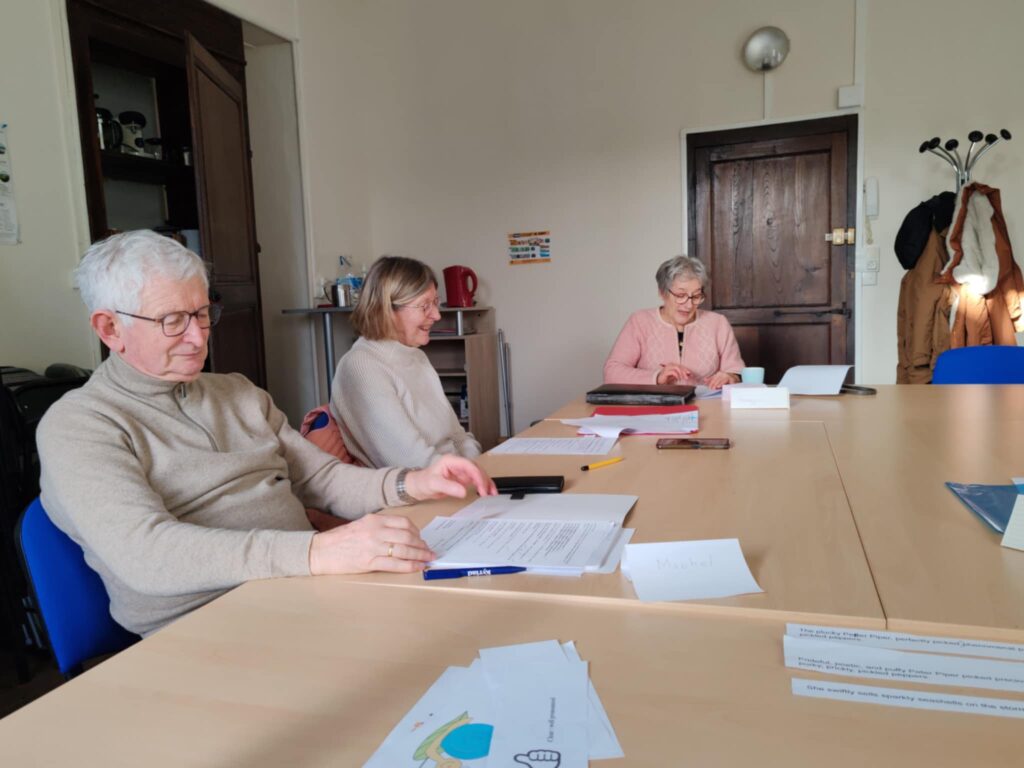
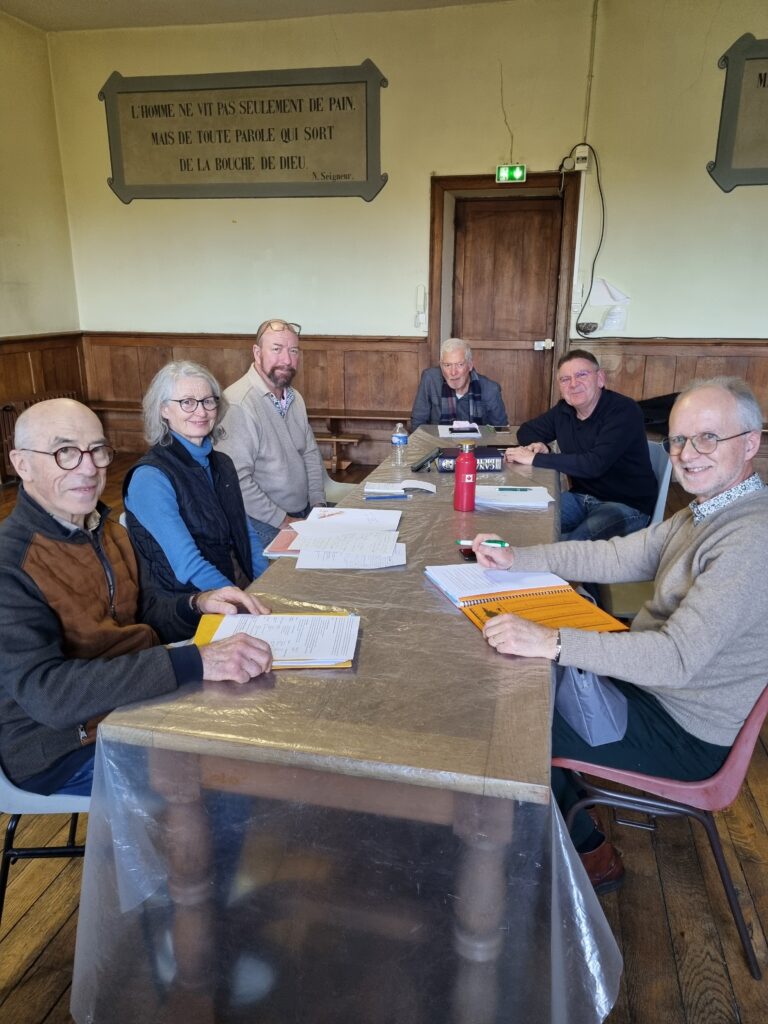
February’s English Linguistic Support Groups explored two engaging themes: Tongue Twisters and Canada.
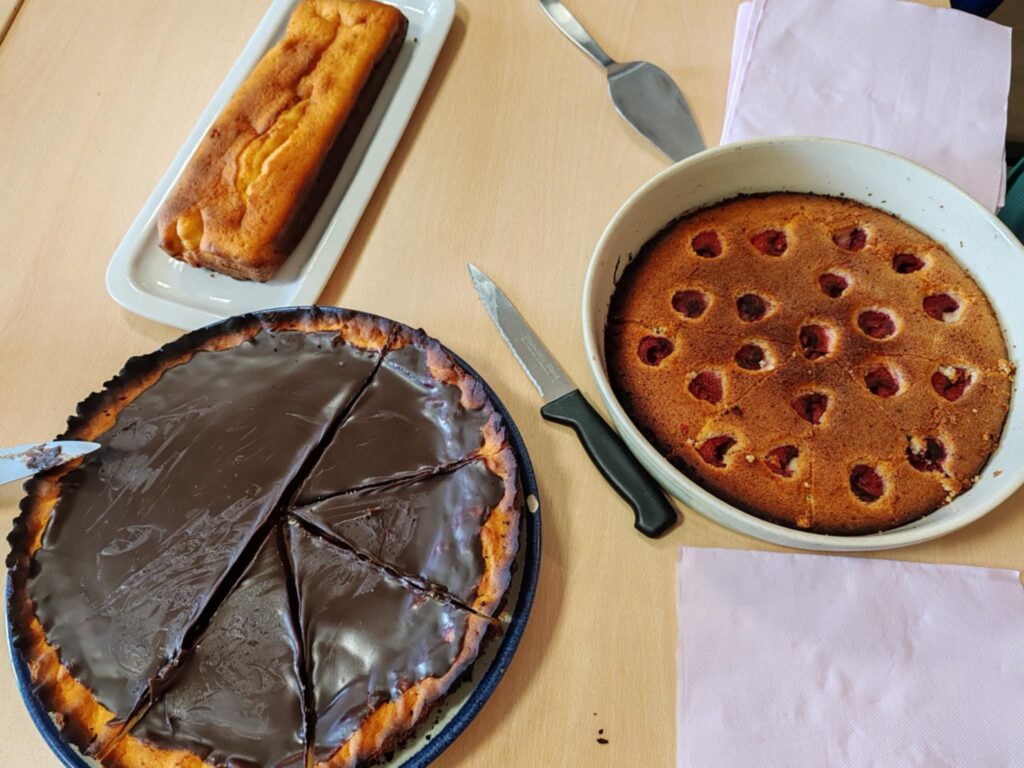
During the break: Gérard treated us to a selection of delicious cakes and a chocolate tart, while Michael brought along a light and buttery Canadian speciality called Buttertarts made with pecans, raisins and maple syrup – a perfect reflection of the day’s international flavour.
● Tongue Twisters Session
The tongue twister group began by looking at the folklore often attached to well-known tongue twisters and questioning how much of it is actually true. We also discussed the deliberate creation of complex phrases by acoustical and linguistic societies, designed specifically to challenge articulation and pronunciation.
The group then explored why tongue twisters are such a valuable tool in language learning, particularly for developing clarity, confidence and muscle memory. Various techniques were tried out, including rhythm, pacing and controlled repetition.
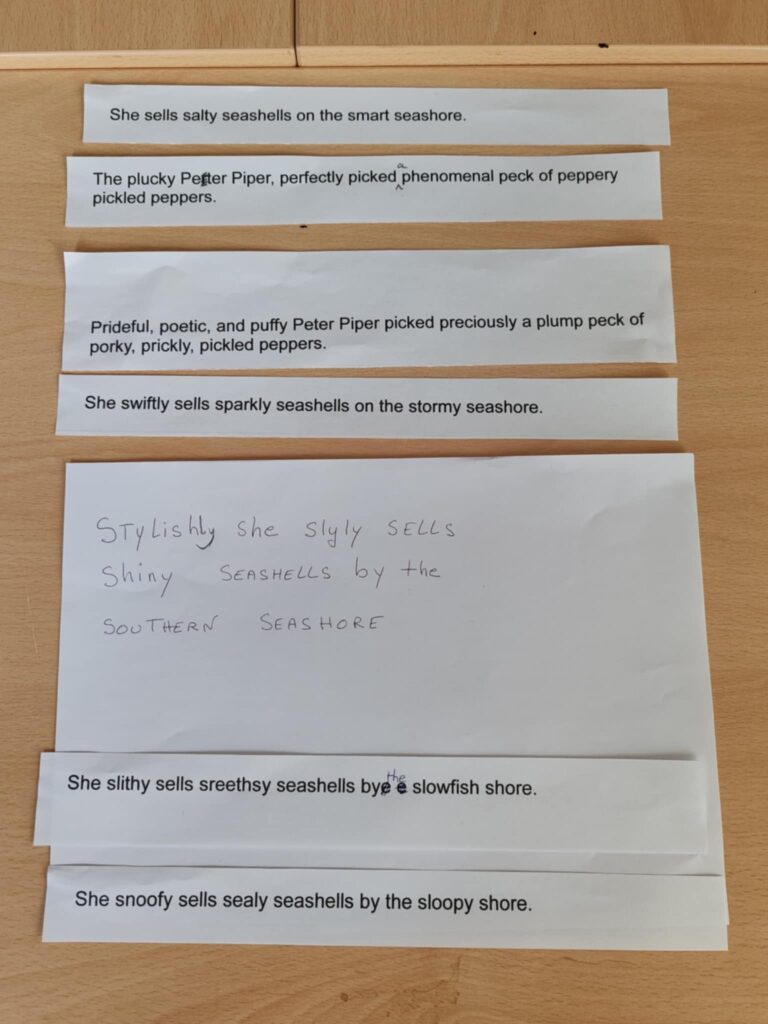
Once warmed up, the group shared their ‘homework’, which had involved extending familiar tongue twisters by adding extra adjectives and adverbs, or by introducing playful, Lewis Carroll–style invented words. They then had great fun challenging other members of the group to pronounce them. It was clear that some participants had searched hard to extend their vocabulary in order to make the task as challenging as possible for others!
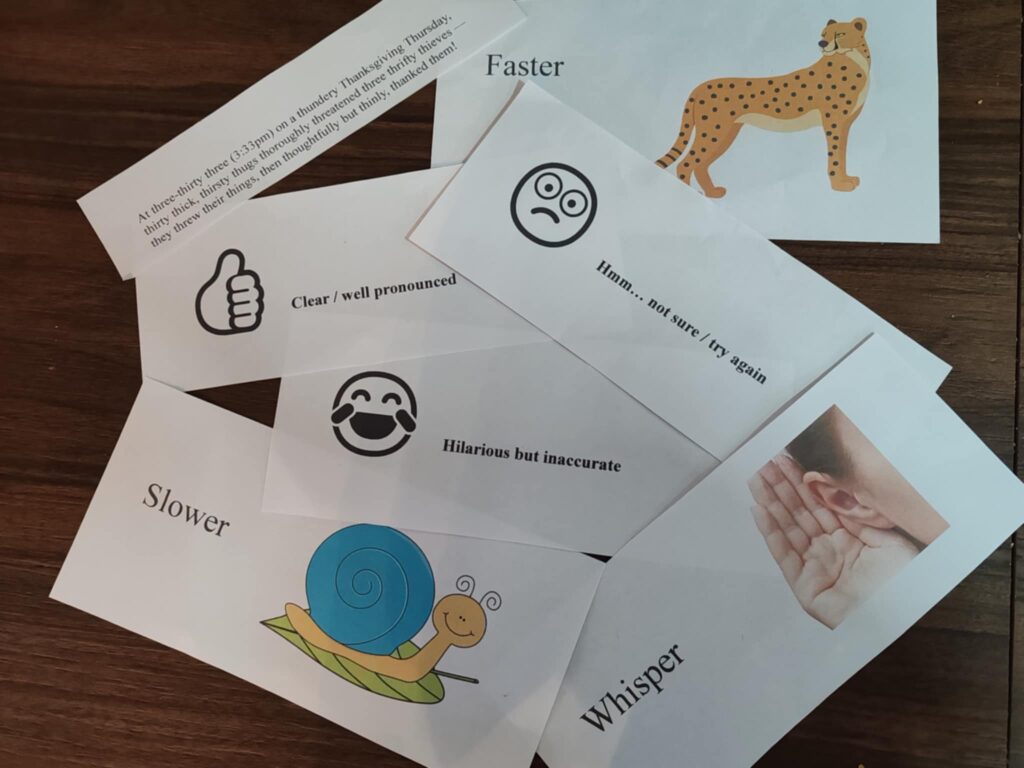
To keep the activity lively and varied, ‘power cards’ were used to change the delivery style – for example faster, slower or whisper it. A second set of cards allowed the group to judge each attempt as ‘hilarious but inaccurate’, ‘hmm… not sure, try again’, or ‘clear and well-pronounced’. This led to great amusement, plenty of laughter, and some impressive linguistic bravery.
The session concluded with a tongue twister specially designed by Sara to provide as much TH-sound challenge as possible. Despite the ‘torture’, the group tackled it with enthusiasm and good humour.
● Exploring Canada 🍁
Our Canadian adventure kicked off with a deep dive into one of the country’s most iconic symbols: the maple leaf. We explored why it was chosen for the flag, and naturally, the conversation turned sweet—maple syrup!
Did you know it takes 40 litres of tree sap to make just 1 litre of syrup? That’s a lot of trees working overtime!
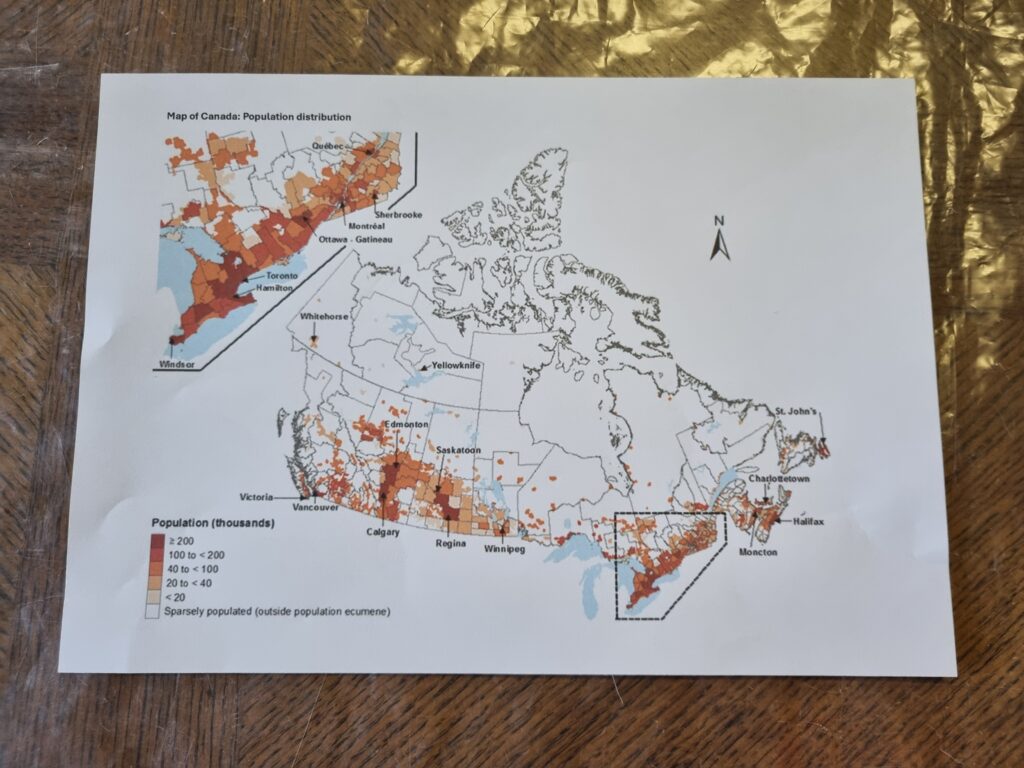
Next, we zoomed out to Canada on the map, looking at its provinces, geography, and population. Everyone was amazed to learn that Canada has only 4.2 people per square kilometre—compare that to France’s 126! No wonder Canada feels so vast and open.
Then, we wandered over to Quebec City, the only walled city in North America north of Mexico. To finish, Susan shared a fascinating story about how Canada got its name:
When the British first arrived, they were greeted by an Iroquian tribe who said ‘kanata’. The British assumed it was the name of the land, but it actually meant ‘village’ or ‘settlement’.
A small misunderstanding that ended up naming an entire country!
With so much to explore, we wrapped up our session with a promise: there’s more Canadian fun to come! Next time, we’ll dive into Canadian foods, clever inventions, shipwrecks of the Great Lakes, and even the 1976 Olympics. Stay tuned, the adventure continues!
Friday, 9th January
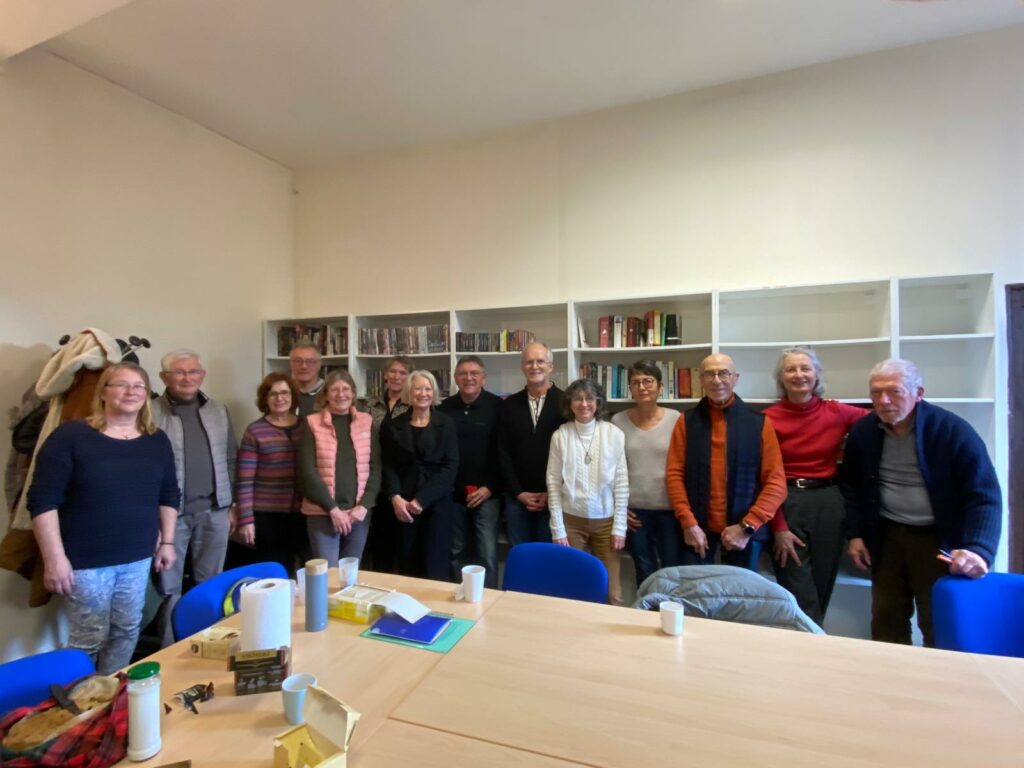
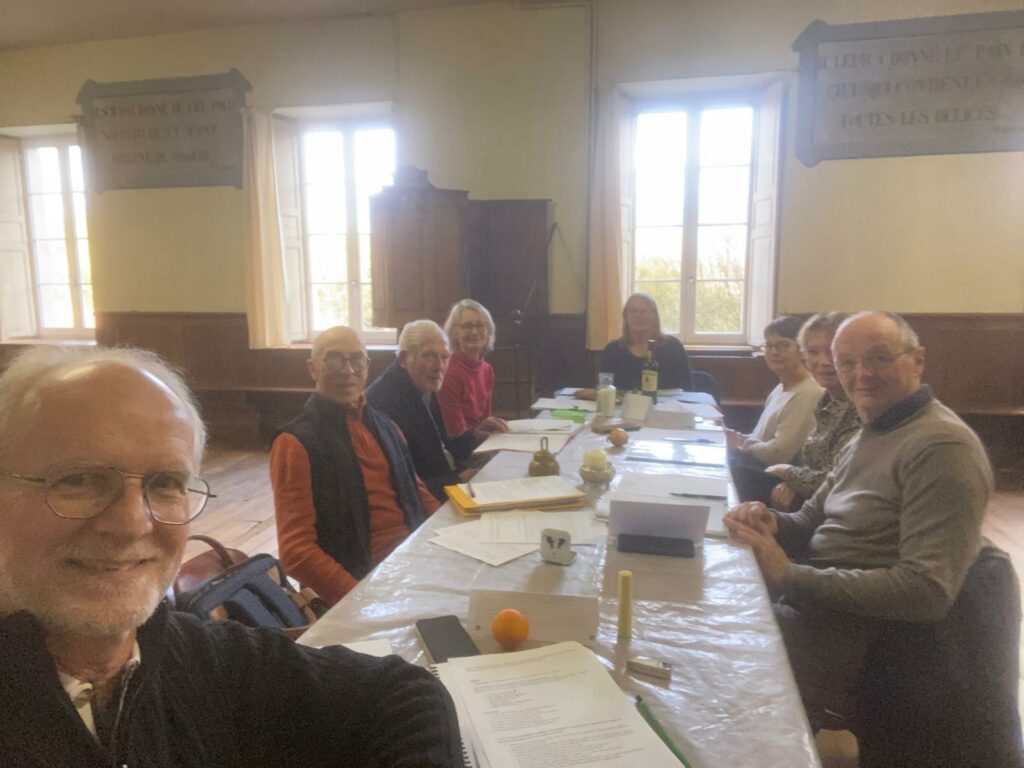
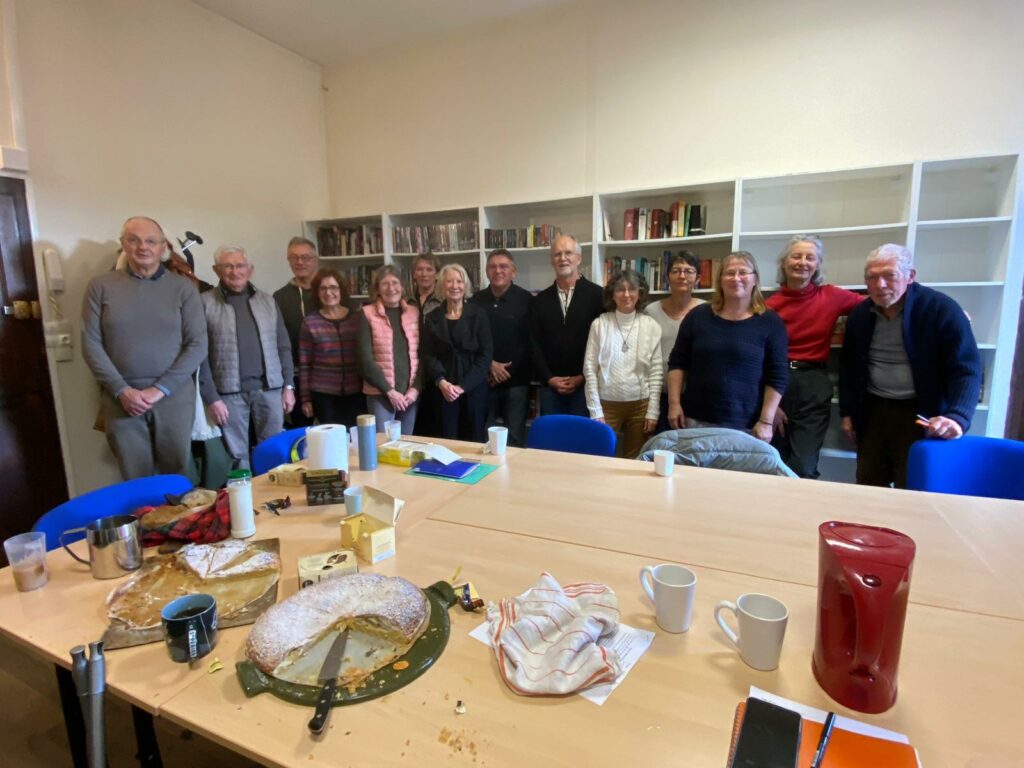
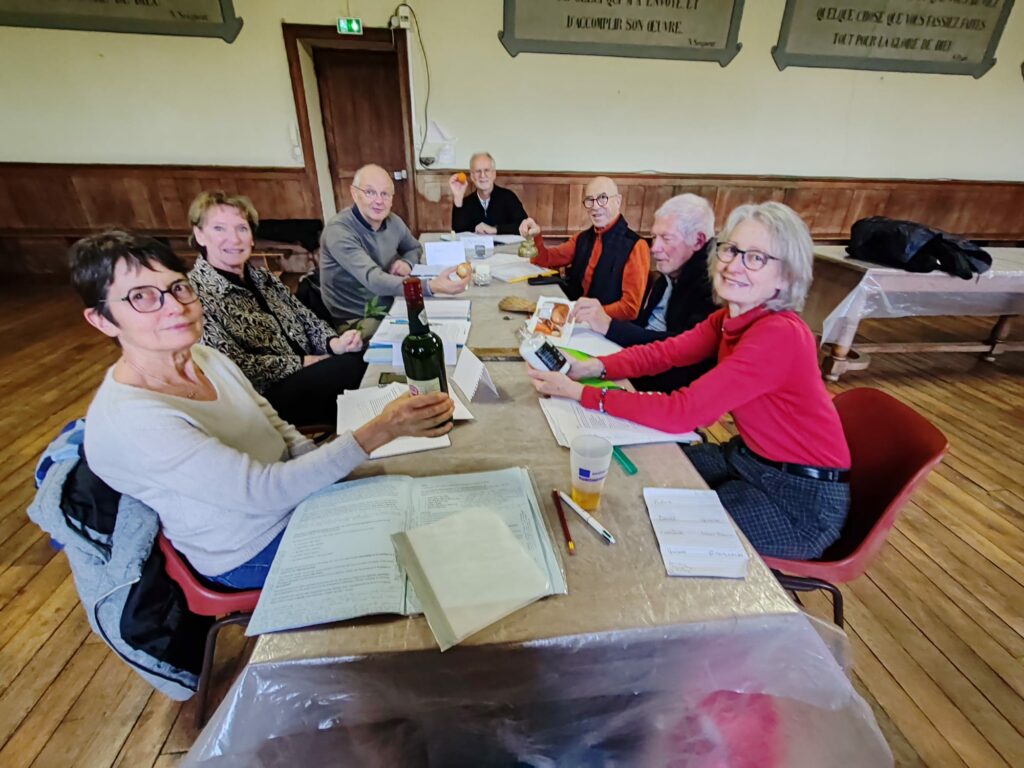
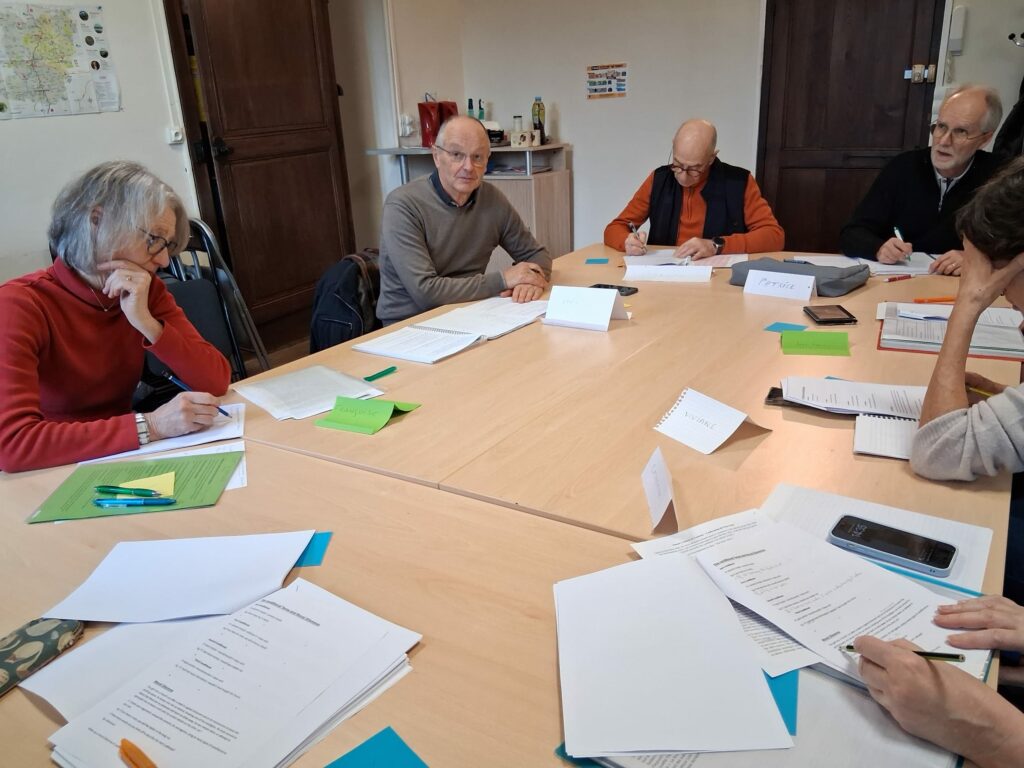
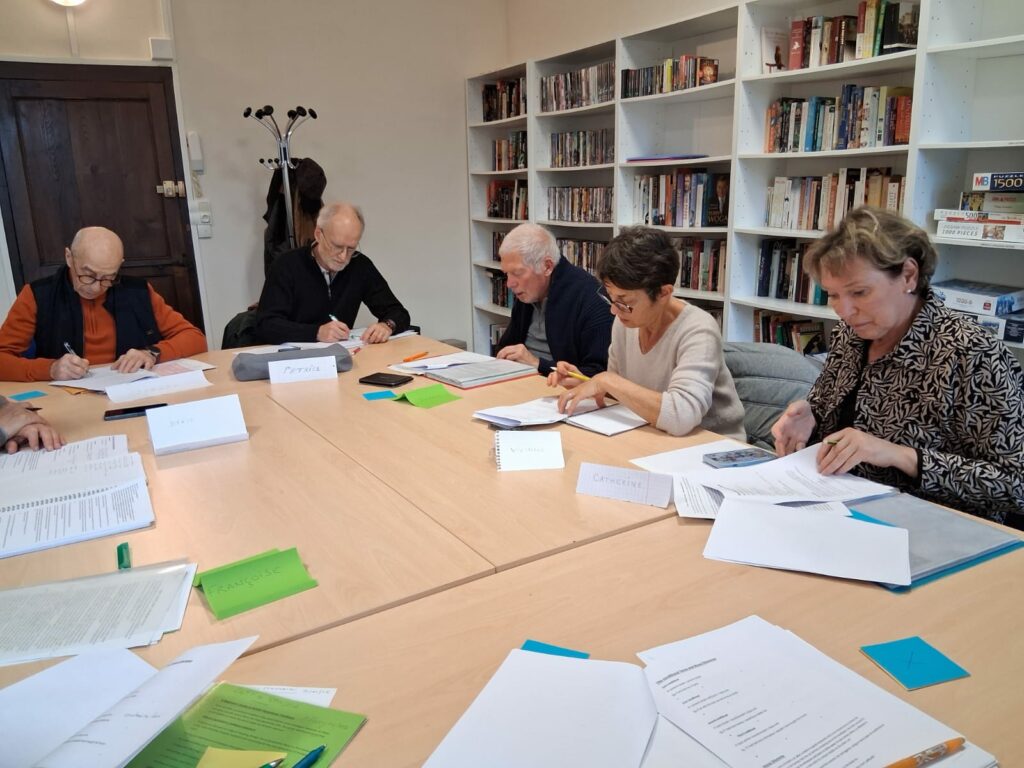
A great start to the new year for the English linguistic support group.
Allie kicked off the year with a series of linguistic icebreakers, creating a relaxed and welcoming atmosphere.
This was followed by a revision of the different types of conditional sentence constructions, after which the group put their newly acquired skills into practice by discussing a series of moral dilemmas together.
Meanwhile, Sara explored both unusual and more familiar New Year’s traditions from different parts of the UK, using a variety of objects as props to spark lively conversations, shared memories, and personal reflections.
The session looked not only at what people do or did in the past, but also at the symbolic meanings behind these traditions.